
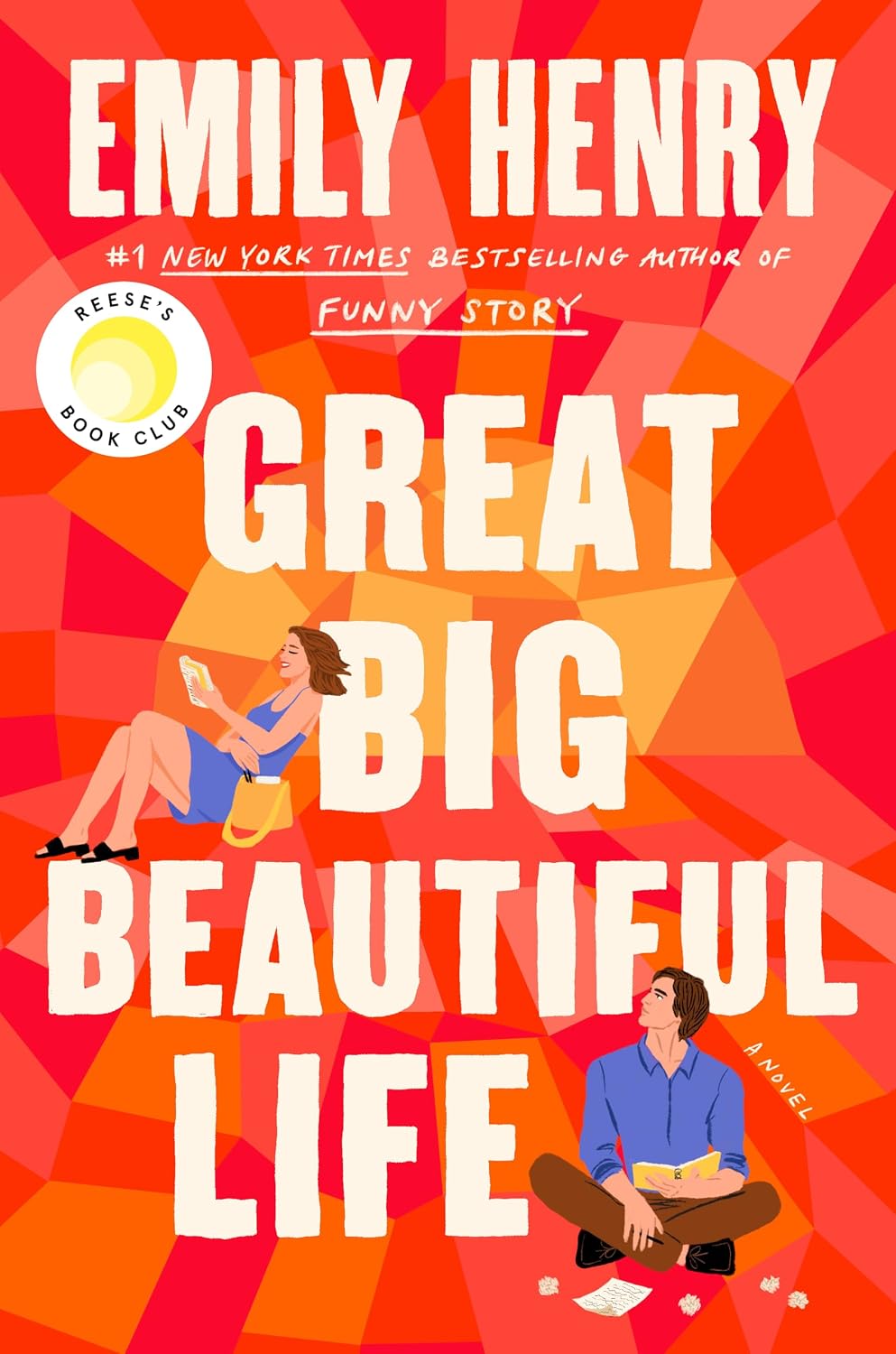
Great Big Beautiful Life
‘Great Big Beautiful Life is a solid novel that strives towards something greater.’
Emily Henry's Great Big Beautiful Life is a romance, but it's more than that: it's a novel about the nature of storytelling itself, about who has the power to tell a story, who gets remembered and who doesn't, about how love can exist alongside ambition and loss, and about the work of becoming someone new. It's a premise that's right up there in the beginning. Alice Scott, a kind and hopeful journalist who's waiting for the big break that will make her name, stumbles upon Margaret Ives, a former heiress who was once tabloid fodder and now lives in seclusion on a small island off Georgia. The central problem is well picked: Alice is not alone. Pulitzer-winning biographer Hayden Anderson is there, too, and Margaret decides to spend a month assessing them both. Clever setup as it provides two sources of tension at once. The novel is at its best when the romance between Alice and Hayden syncs with the greater mystery of Margaret herself, and at its worst when the two currents are at odds with each other.
The most reliable feature of the book is Alice's voice. There is no strain in her inner world which is sharp, self-aware and truly funny. Within the first few pages, a quote about trying to play it cool, but freely admitting that she has never managed to pull off that feat, is all the information you need about her. She is sensitive, somewhat impulsive, open with her emotions and always interested in the people around her. Those attributes make her very likeable but they also leave her with a place to go. Alice isn't just described as being cheerfully cheerful as a personality trait. The optimism stems from insecurity, a desire to be treated as a writer, and a nagging unresolved maternal relationship since her father's death. It's an emotional undertow that makes her more than the typical romantic comedy heroine. Hayden is a good co-worker. He is guarded and abrasive when he comes, but there are enough little glimpses of thoughtfulness behind his reserve that his opening up doesn't seem like a gimmick. His attitude towards the logistics of getting the assignment to Alice seems to indicate that the coldness is not all of him. Hard, but not cold.
Perhaps the most successful aspect of the novel is Margaret's story line. The little bits of her history that come to the surface throughout the book: the old scandal, the broken-down public persona, the long and complicated family history, and her own confusion about whether or not she wants her version of the story told or the whole and the ugly truth. This make the novel so much more emotionally and structurally than a simple rivals-to-lovers plot. The sections of Margaret are fascinating at times and in some ways surpass the main romance, and that's exactly what they were supposed to be. In his attempt to understand how that process of distortion happens, and how a real person becomes a public narrative, Henry seems to be interested in issues of legacy, performance, inherited class, family mythology. That makes the book a bit more substantial than the more genial material on the surface. The setting supports this register well. Little Crescent Island: the heat, the salt in the air, the strange little stores, the improbable shade of blue of the drinks, Margaret's brightly painted house half hidden behind the thickets of foliage; is not decorative, but fully inhabited. Henry is good at depicting place and she does it well in this book.
The problem with the novel is that is struggles with proportion. The romance is sometimes forced to keep pace with Margaret's story, and the story itself is so weighty and mysterious, it's hard to see how the romance could have developed any other way. For some readers, the chemistry between Alice and Hayden is a perfect fit from the get-go, and for others, the love story is a bit disjointed at times, in terms of the pacing: it's too fast in some moments and too slow in others, too much of the old “push him away, pull him back” dance. Also, there's a tonal mismatch between the emotional weight of Margaret's story and the more familiar rhythms of the modern-day love story, but it doesn't detract from the overall book. The same problem is with the ending. The novel has worked hard to build its love story and its overarching themes of truth and legacy; the final bit is rushed and doesn't have enough room to breathe. Henry does capture the important emotional moments, but not consistently enough to leave room for the reader to "settle" into what has just occurred.
Great Big Beautiful Life is a solid novel that strives towards something greater. Four out of five stars seems like the perfect rating: this reflects quality without ignoring where the book falls short. What works is easy to see: Alice's spirited and lively delivery, the intelligence and texture of the dialogue and interplay between the main characters, the warmth and friction of the central relationship, the sense of place and confidence and, most importantly, the richness of Margaret's story, with all its haunted, layered glamour. It is not that it doesn't know what to do, or that it doesn't know how to do it, it is that it lacks emphasis and spacing. At times, the biography plot overpowers the romance, and the ending might leave readers wishing for more time in the aftermath of the emotions slightly underwhelmed. Despite the above, there's a lot to be enjoyed in this novel, especially for romance fans who appreciate a substantive story with romance as its central theme. It might not be her most finely-tuned work, but it demonstrates that she's really reaching for the bigger, deeper thing; and that's enough to make it worth your while.
From our readers
Reader Insights
Keep exploring
Similar reviews to explore

Deep End
Ali Hazelwood's Deep End is a character-led romance that explores the themes of personal...
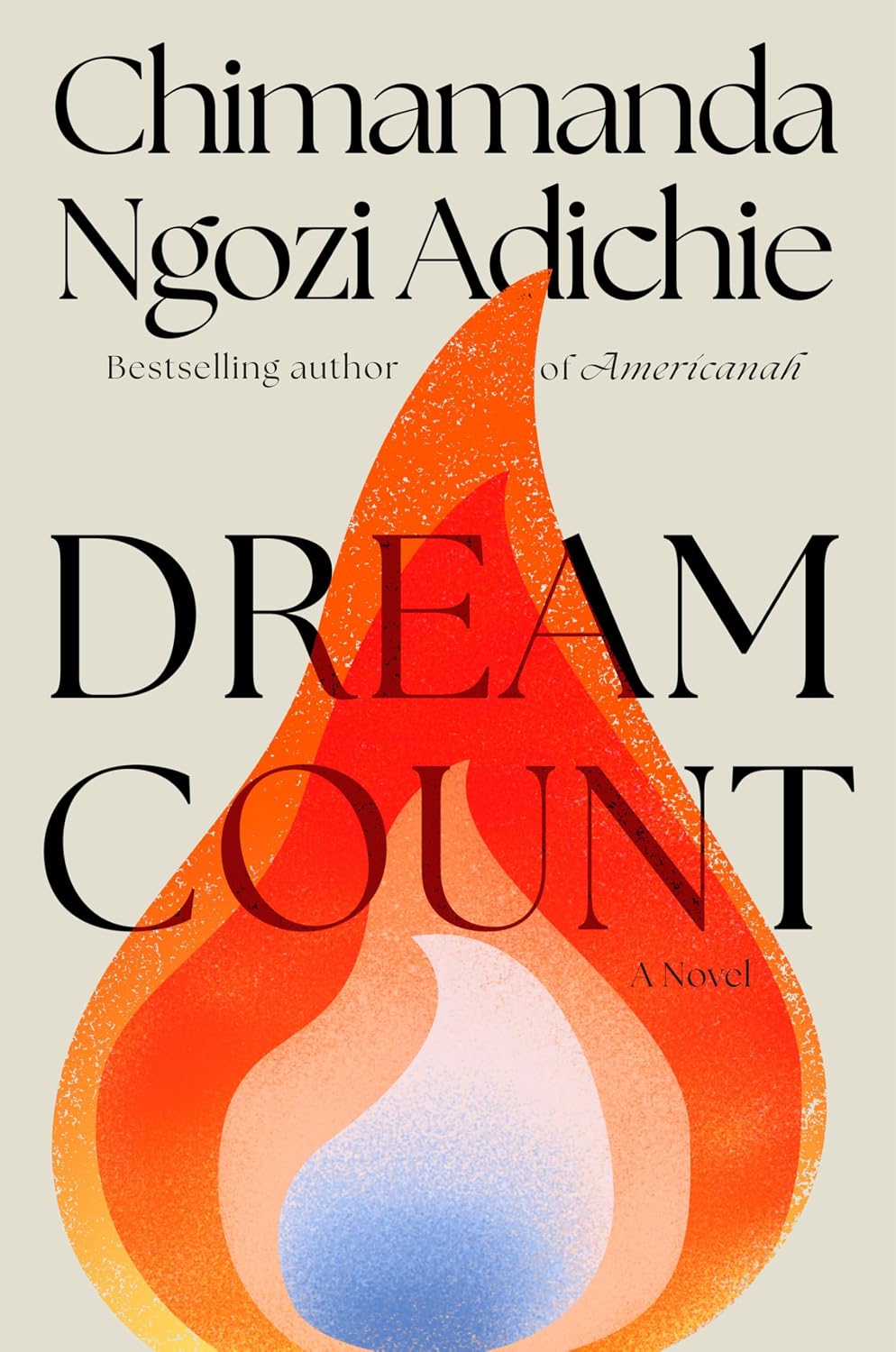
Dream Count
I believe there was an emotional flow in Zikora's part, especially Kadiatou's, and this made...
Forever Now
Haleh Shahrzad, Forever Now, explores the bitter realities of a marriage built on lies and how...