


Atmosphere
‘At the simplest level, this is a story of NASA in the 1980s and the women who were seeking to make their way in a male-dominated industry.’
I would rate Taylor Jenkins Reid's novel Atmosphere at around 4 out of 5 stars. It’s an easy novel to latch onto emotionally and it has a very well-chosen setting. At the simplest level, this is a story of NASA in the 1980s and the women who were seeking to make their way in a male-dominated industry. At a deeper level it's about longing: to achieve, to be recognised, to be loved and to have a life that is lived, not endured. Joan Goodwin is a good protagonist for such a novel. She is a disciplined, reserved, and believable mix of competent physics professor and wonder who has been underestimated for much of her life. The book is very grounded, as shown in Joan's way of thinking. She's not swept away by space in a general, or sentimental sense, but is specific, and awed by the systems, preparation, and teamwork that make space travel possible. One of the strengths of this novel is how it pays attention to how Joan's mind works.
The combination of grandeur of the subject and intimacy of the story works particularly well. Reid avoids the pitfall of making NASA a blank canvas, yet she doesn't bog down the book in technical jargon. It's the scenes where public ambition and private vulnerability meet head-on that seem to be the best. Joan’s training, the pressure on the first wave of female astronauts, and the unspoken calculation that any woman who fails will be taken as proof that women do not belong there at all give the novel real tension. There's also a very emotional connection between Joan and her niece – Frances. That relationship seems to give the book a human touch beyond the love story, which helps to develop Joan more than her career does. She is not just a representation of female success; she's a caretaker, a sister, an aunt, and someone whose dreams comes at a cost for the people around her.
It's the romance that will either draw many readers into the novel or keep them at a distance, it appears. Joan's love affair with her female colleague is dealt with tenderly and seriously, and the historical context gives it weight. This is not forbidden love used for cheap melodrama. The secrecy is important because the consequences are real and that brings a degree of fear and restraint that is appropriate for the environment. Meanwhile, it seems to be one of the areas in which the novel is somewhat off. I believe that the emotional and philosophical conversations arrived too soon, and that the relationships do not warrant them at that point. Reid is clearly working toward the grand concepts of identity, awe, courage and being changed by love and by leaving Earth behind. Those ideas are good, but if a novel stretches too early for them, the dialogue can start to feel like it's driven by ideas of theme instead of character. Even if a scene is moving in intention, it might not have the texture yet to be convincing.
Nevertheless, the overall structure is appropriate, especially the use of the mission crisis in 1984, to add suspense to Joan's earlier years. It's a good idea to start in orbit with an emergency and Reid does just that here. Those pages are full of information about decompression, crew communication and Joan's role at Mission Control, yet they are still readable to anyone who is not particularly interested in aerospace. However, one criticism that I still hold onto is that the beginning is crowded. A lot of names, roles and theme were thrown in at the beginning. That can make the start of the over-assembled, like Reid is setting out her intentions before the story can get a breath of air. After the characters get established, the book starts to find its stride and emotional focus but may require some patience in the beginning.
Atmosphere is a very good, rather than untouchable piece. It has a lot going for it: a strong and interesting female protagonist, a strong emotional underpinning, historical stakes and a setting that feels meaningful rather than gimmicky. It also appears to have some real flaws: its opening is too crowded, the dialogue is a bit too primed to support the novel's themes, and maybe a bit too much to the idea that the novel is trying to transcend too early. Nevertheless, that's a noble ambition. Reid is obviously attempting to explore not only space, but what people bring with them to space: grief, hope, secrecy, love and the need to matter. Where the book succeeds, it appears to do so by keeping in mind that while the stars are inspirational, so is the human heart.
From our readers
Reader Insights
Keep exploring
Similar reviews to explore
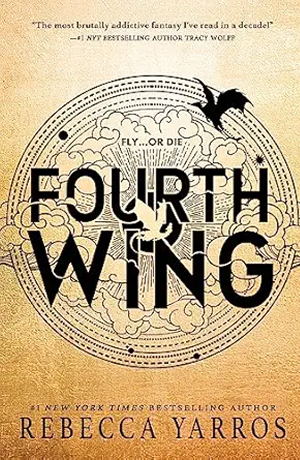
Fourth Wing
This is perfect for YA fantasy lovers, who are also into enemies-to-lovers dynamics with high...

Overcoming Codependency
This guide is both relatable, soothing and does not overwhelm its readers who want a way out...
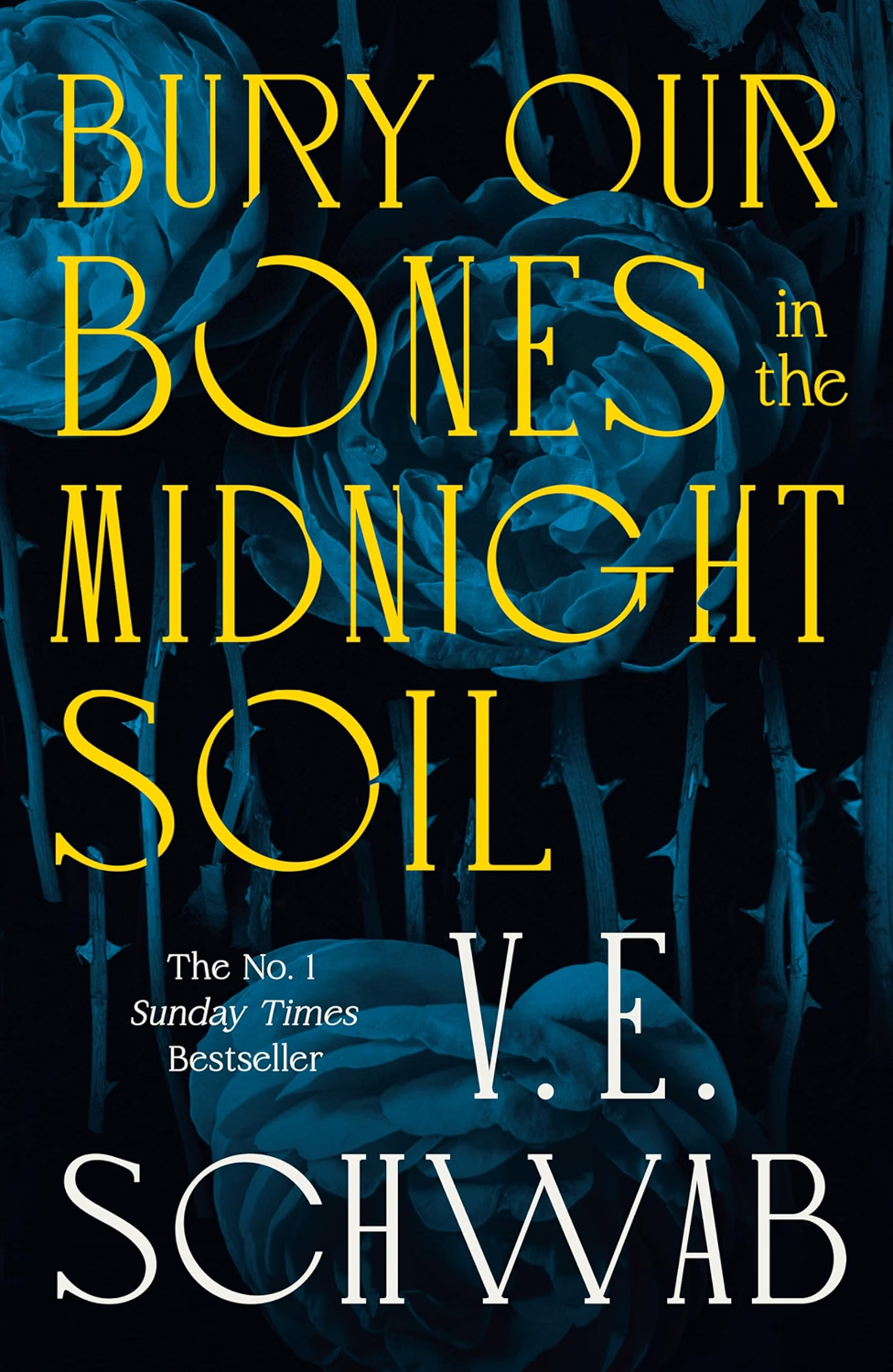
Bury Our Bones in the Midnight Soil
The mood is fairly consistent and dark and gothic, which is appropriate for the story