
Born Lucky
‘This generally testifies to the mountain-moving power of parental love.’
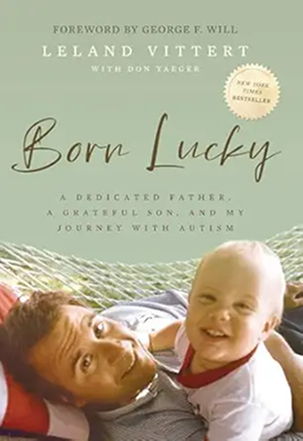
Leland Vittert's Born Lucky does not begin with a birth, but with a number that might define an entire life: a 68-point spread on the Wechsler Intelligence Scale for Children. Now a successful broadcast journalist, Vittert describes himself in clinical terms that once placed him at the extremes of a cognitive map, a genius on one side and, using outdated medical jargon, 'mildly retarded' on the other. This striking juxtaposition between brilliant minds and social blind spots becomes the real, genre-bending subject of the memoir.
The book's tension begins with the realisation that something was wrong, terribly wrong. When experts did offer a diagnosis, it came with the chilling prognosis that became the father's main challenge. 'Is there anything we can do? Really, anything?' he asked. The answer: 'Generally not.' This clinical finality was the first step in the radical plan of the Vittert family. They saw a label, at least in the 1980s and early 1990s, not just as a category, but as a cage. By refusing to give Leland a formal diagnosis, his parents made his life an experiment in self-determination. They substituted the comfort of 'special treatment' with the cruel reality of the real world, insisting their son learn to fit into society, and not the other way around.
Vittert relates his inner neurological chaos to his external achievements order. He describes how a boy who couldn't understand simple sentences or social cues could learn his multiplication tables in four days because of having a clear goal and a real reward. This dual life, an intellectual life amidst a life of social struggle, is the emotional heart of the memoir. The story reveals the high cost of the father's choice: endless bullying and life-crushing solitude on the playground with nothing but a calculator and a few books on aeronautics as his defense. That bitter exposure was the necessary friction for his further development.
The father devised a harsh, unsentimental survival and self-esteem curriculum because he was desperate. He condensed it to life-altering mantras, the best-known being: 'Self-esteem is earned, not given.' The memoir demonstrates that not only did push-ups and goal setting help in gaining physical power to deal with bullies, but it also helped create a sense of agency in the areas where no one appeared to have any. The father's unshaken belief countered the psychologist's 'generally not', who also said: 'Lucky has to want it.' This critical instruction turns out to be the main thesis of the book, which holds that the desire to become a better person, to become a part of the world, however hard, is in the end stronger than any genetic lottery.
This generally testifies to the mountain-moving power of parental love. However, it has a few blind spots due to its emphasis on the strong-willed efforts of the father. Although the author recognises the tremendous strain the decision not to be diagnosed had on his mother, the narrative prioritising the father's plan does not always give due attention to the anxiety and fear of the mother. The insistence that people should change to adjust to a world that does not change is philosophically challenging and outdated to readers, particularly those belonging to the modern neurodiversity movement. However, the fact that Vittert was honest about this unusual path makes the book indispensable. Born Lucky is best suited to parents traversing complex diagnoses and neurodiverse readers in need of a well-crafted story of professional success, and anyone who appreciates an inspirational story of self-made success developed in the crucible of challenges. This remarkable and exceptionally written memoir scores 4 out of 5 stars.
From our readers
Reader Insights
Keep exploring
Similar reviews to explore
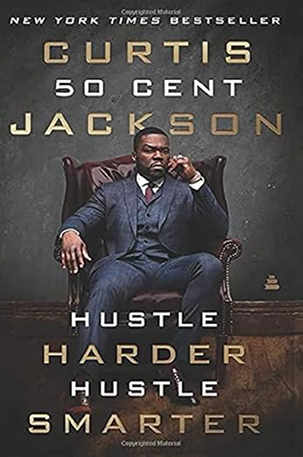
Hustle Harder Hustle Smarter
Pick the right people and you can build a team that will take you to the top. But pick the...
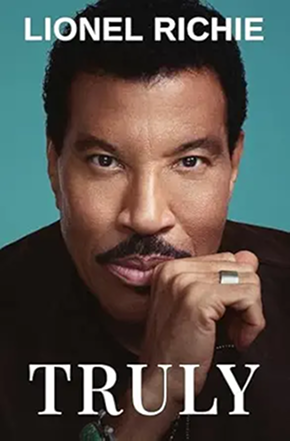
Truly
Truly is less a victory lap, and more of a confession from the man who is still actually...
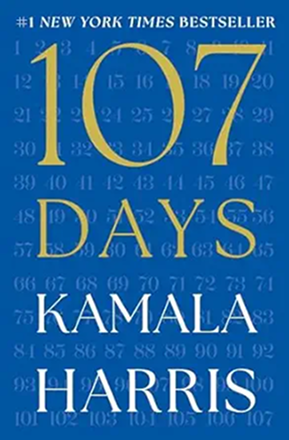
107 Days
This book gives you a front row at the Vice President's house, where the biggest drama unfolds.